Permissions for commercial cleaning near Royal Albert Hall
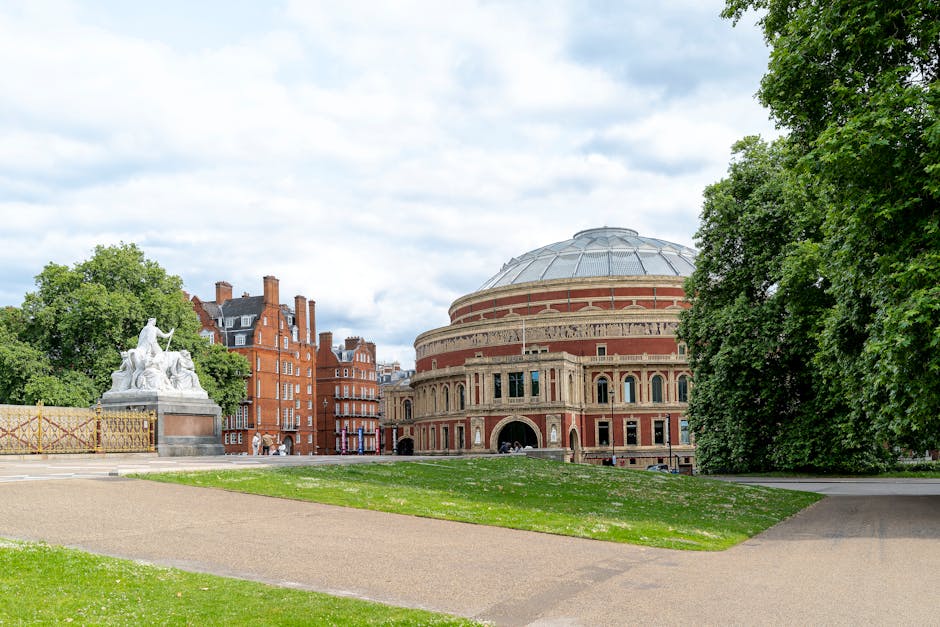
If you are planning commercial cleaning near Royal Albert Hall, the first question is often not about detergents or machines. It is about permission. Who needs to approve the work? Do you need access clearance, landlord sign-off, building management consent, or a parking arrangement before a single vacuum is switched on? In a busy part of London, those details can matter just as much as the cleaning itself.
This guide explains the practical side of permissions for commercial cleaning near Royal Albert Hall in plain English. We will look at what permissions usually mean, why they matter, how the process works in real buildings, and what you should check before booking a visit. You will also find a checklist, a comparison table, and a realistic example from a local commercial setting. Nothing overblown. Just the useful bits people actually need.
Table of contents
- Why permissions matter in this location
- How the permission process usually works
- Key benefits and practical advantages
- Who needs this and when it makes sense
- Step-by-step guidance
- Expert tips for better results
- Common mistakes to avoid
- Tools, resources and recommendations
- Law, compliance, standards and best practice
- Options and comparison table
- Case study or real-world example
- Practical checklist
- Conclusion
- Frequently asked questions
Why permissions for commercial cleaning near Royal Albert Hall matters
Royal Albert Hall sits in a part of London where access is rarely casual. Streets can be busy, loading space can be tight, and many buildings nearby have their own rules about contractors, timings, waste removal, noise, and safety. So when people search for permissions for commercial cleaning near Royal Albert Hall, they are usually trying to avoid a simple job turning into a frustrating delay.
In practice, permission can mean several different things. A commercial tenant may need landlord approval. A facilities manager may need contractor documents before allowing entry. A concierge or building manager may require advance notice. Sometimes parking, lift use, or night access needs to be booked separately. Truth be told, the cleaning is often the easy part; the access planning is where the admin lives.
This matters because a missed permission can lead to wasted time, disrupted trading, upset neighbours, or a team being turned away at the door. That is the sort of thing nobody wants at 7:30 in the morning when the floor still smells faintly of last night's coffee and the building is waking up.
If you are coordinating wider workplace cleaning, it helps to understand the difference between the cleaning task itself and the permissions around it. For example, a business booking commercial carpet cleaning may have one set of internal approvals, while upholstery or stain work could require extra care because of furniture movement, drying time, and occupant access.
How permissions for commercial cleaning near Royal Albert Hall works
There is no single universal permission process, because buildings around Royal Albert Hall vary a lot. A small office above a retail unit will not be managed in the same way as a hotel, gallery, clinic, or serviced office. Still, the working pattern is usually similar.
First, someone decides what needs cleaning and when it can happen. Then they check who controls the space. That might be a landlord, freeholder, building manager, managing agent, tenant, or event coordinator. After that, the cleaner or contractor may be asked to provide proof of insurance, a health and safety policy, RAMS-style risk information, and a plan for access, waste handling, and any equipment use.
Some buildings also want advance notice for lifts, loading bays, or shared corridors. If the cleaning involves steam, drying equipment, or chemical products, the building may ask how ventilation, slip risk, and scent control will be managed. To be fair, that is not bureaucracy for its own sake. It is usually about protecting people, property, and day-to-day business.
For a reader comparing providers, the most useful thing is to know what a professional setup looks like. Clear documentation, proper scheduling, and sensible communication are good signs. If a provider is vague about insurance or safety, that is a small red flag. Not always a disaster, but enough to ask more questions.
It can also help to review a contractor's operational policies before you confirm access. Pages such as health and safety policy and insurance and safety are the kind of thing a responsible business should be able to point you toward without fuss.
Key benefits and practical advantages
Getting permissions sorted early is not just about avoiding awkward conversations. It brings some very real practical benefits, especially in a high-traffic London location.
- Fewer delays: Cleaners can arrive ready to work instead of waiting in reception or on the pavement.
- Less disruption: Building users, visitors, and neighbours are less likely to be affected by avoidable noise or access issues.
- Better planning: You can choose the right time for drying, furniture movement, and room occupancy.
- Lower risk: Insurance, safety, and access arrangements are clearer from the outset.
- Cleaner outcomes: When the job is properly scheduled, crews can work more thoroughly instead of rushing.
There is also a trust benefit that people sometimes overlook. A well-organised permissions process makes your business look competent. If you manage a commercial site, that matters. Visitors notice the small things. The uncluttered corridor, the sensible signage, the tidy entry route. These are quiet signals that a place is looked after.
And yes, it saves money too, even if only indirectly. Missed access slots, parking penalties, duplicate visits, and avoidable call-outs all chip away at value. Nobody enjoys paying twice for the same clean because a keyholder was unavailable. Nobody.
Who this is for and when it makes sense
This topic is relevant for anyone responsible for a commercial building or commercial tenancy near Royal Albert Hall. That includes office managers, facilities coordinators, hotel teams, retail operators, landlords, managing agents, and event-space supervisors. It also matters for independent businesses that occupy shared buildings with limited access control.
You should pay close attention to permissions if any of the following apply:
- the cleaning needs out-of-hours access
- the premises are inside a managed building
- you need loading, lift, or parking access
- the work involves shared entrances or corridors
- the job includes delicate interiors, fabrics, or specialist flooring
- there are security procedures for visitors or contractors
It also makes sense to plan permissions carefully if the space is likely to need more than one type of cleaning. For example, a reception area may need carpet care, upholstery attention, and stain removal in the same visit. In that case, it is sensible to review relevant service pages such as carpet cleaning, upholstery cleaning, and stain removal so the cleaning scope is clear before approval is requested.
If you are only booking a small one-off refresh, permission may be simple. If the job is in a managed or prestige setting, the process can take a bit more coordination. That is normal. Better to handle it calmly than discover a locked gate, a missing escort, and a very patient van driver doing his best impression of a statue on the street outside.
Step-by-step guidance
Here is the most practical way to handle permissions for commercial cleaning near Royal Albert Hall without overcomplicating it.
- Identify the decision-maker. Find out who can approve access and who needs to be informed. In some buildings, these are different people.
- Define the job clearly. Note the area to be cleaned, the surfaces involved, the time window, and any items that may need moving.
- Check building rules. Ask about contractor sign-in, ID checks, permitted working hours, lifts, loading access, and waste disposal rules.
- Confirm documentation. Many commercial settings expect insurance details, safety information, and terms agreed in advance. If needed, review the provider's terms and conditions so expectations are properly aligned.
- Plan logistics. Sort key collection, escort arrangements, parking, and any equipment movement before the day arrives.
- Agree the cleaning method. The right method depends on the surface, soil level, drying time, and building sensitivity. Steam, for example, may be suitable in some settings, but not all.
- Prepare the site. Move sensitive items, alert staff, protect nearby stock, and let occupants know what to expect.
- Record the plan. A short written summary helps everyone remember the same thing. It can be an email, a booking note, or a simple internal approval trail.
A small but useful habit: send one final confirmation the day before. Not because people are careless. Just because London calendars are chaotic and humans, bless them, forget things.
Expert tips for better results
After years of working around busy commercial spaces, a few patterns become obvious. The smooth jobs are rarely the ones with the fanciest equipment. They are the ones with tidy preparation.
Tip one: Always match permission to the actual method. A light vacuum clean, a hot-water extraction clean, and a fabric treatment are not the same thing operationally. If the cleaner will need airflow for drying, say so early.
Tip two: Build in a buffer. If your team needs the room usable by 9 a.m., do not book the clean as if 8:55 is generous. Give yourself breathing space. Damp carpet underfoot just before client arrival is not a great look, and it can be slippery.
Tip three: Keep the route simple. The fewer doors, gates, and handovers, the better. If possible, plan a direct path from entry to work area. It sounds obvious, but in real buildings, obvious things become complicated surprisingly quickly.
Tip four: Think about the whole environment, not just the floor. Curtains, sofas, rugs, and fabric chairs often sit in the same approval process because they live in the same room. If your space includes those items, check relevant service information in advance, such as curtain cleaning, sofa cleaning, rug cleaning, and steam carpet cleaning.
Tip five: Ask about drying and reopening time. This is one of the most useful questions you can ask, because it affects everything from staffing to customer access.
Common mistakes to avoid
Most permission problems are avoidable. The issue is usually not bad intent. It is a mismatch between assumptions and the way the building actually works.
- Assuming access is automatic. A confirmed cleaning date does not always mean the building is ready for contractors.
- Leaving approval until the last minute. If a manager needs sign-off, give them time.
- Ignoring shared spaces. Corridors, lifts, entrances, and waste routes often need separate approval or notice.
- Forgetting security procedures. ID checks, visitor logs, and escort rules can slow down arrival if they were not planned.
- Not discussing equipment. Some places are fine with machines and hoses; others need extra caution.
- Skipping follow-up. After the clean, confirm that the area is reopened, any waste is removed, and any issues are reported.
One subtle mistake is under-communicating with staff. A cleaner can be fully briefed, but if the receptionist, duty manager, or keyholder was never told, the morning can still unravel. It is a small detail. It matters.
Tools, resources and recommendations
You do not need a complicated stack of tools to manage permissions well. A clear process beats a fancy system almost every time.
- Site access log: Keep track of who approved the work, who holds keys, and who is meeting the team.
- Pre-clean checklist: Useful for furniture movement, fragile items, stock protection, and signage.
- Risk notes: A short note covering wet floors, trip hazards, ventilation, and electrical awareness can save confusion.
- Booking confirmation: Should list the areas, times, methods, and any access conditions.
- Provider documentation: Insurance, safety policy, and clear service terms are all worth checking before work starts.
If you are comparing providers, it helps to review not only the service itself but the practical business side as well. A strong provider usually presents pricing clearly, explains security in payment handling, and has a sensible complaints process if something goes wrong. Pages such as pricing and quotes, payment and security, and complaints procedure can help you judge whether the company is organised and transparent.
You may also want to review company background and responsibility pages. A business that explains who it is, how it works, and how it handles sustainability or ethical standards tends to be easier to deal with in commercial settings. See about us, recycling and sustainability, and modern slavery statement for the sort of information that helps build trust.
Law, compliance, standards and best practice
Commercial cleaning near Royal Albert Hall can touch on access control, workplace safety, building management rules, and contract terms. That means it is sensible to treat permissions as part of compliance, not just admin.
In the UK, businesses generally need to manage health and safety risks in a proportionate way. For cleaning work, that usually means considering slips, trips, manual handling, chemicals, electrical safety, lone working, and public interaction if the site is still occupied. You do not need to panic about every risk. You just need a sensible plan that matches the job.
Best practice usually includes:
- clear scope of work
- documented access arrangements
- visible contractor identification
- appropriate insurance cover
- risk-aware cleaning methods
- communication with occupiers and building staff
Where the work is in a managed or prestige building, the approval process may be stricter than in a standard office. That is normal. It is not a sign that the building is difficult; it is often a sign that the building is busy and wants to stay orderly. Fair enough, really.
One practical point worth noting: if the site has strict access windows, the cleaning method should fit those limits. For example, if a room must reopen quickly, a lower-moisture process may be better than a heavy saturation clean. That is the sort of decision that comes from real-world scheduling, not theory.
Options and comparison table
Different settings need different approval approaches. Here is a simple comparison to help you choose the right level of planning.
| Scenario | Typical permission need | What to check | Best fit |
|---|---|---|---|
| Small office in a managed building | Moderate | Building access, sign-in, working hours | Routine carpet or upholstery cleaning |
| Retail unit near a busy route | Moderate to high | Public access, stock protection, timing | Out-of-hours cleaning or targeted stain work |
| Hotel, venue, or event space | High | Security, concierge, loading, noise, reopening time | Planned deep cleaning with detailed coordination |
| Private office suite in shared premises | Moderate | Landlord consent, shared corridor rules, lift use | Scheduled maintenance cleans |
| One-off urgent clean | Variable | Fast approval, access contact, drying window | Spot treatment or quick-response service |
The takeaway is simple: the more complex the premises, the more structured the permission process should be. If you are unsure, err on the side of more clarity. That almost never causes problems.
Case study or real-world example
Imagine a small consulting office in a building not far from Royal Albert Hall. The team wants the reception carpet cleaned and two fabric chairs refreshed before a client event the next morning. The building has a reception desk, contractor sign-in, and a rule that all visitors must be escorted after 6 p.m.
The office manager starts by checking who approves after-hours access. The landlord is happy in principle, but the building manager needs the cleaner's arrival time in writing. The cleaner then confirms insurance, explains the method, and estimates drying time. One chair has a stubborn mark, so the team adds a small stain treatment to the scope rather than discovering it on the day.
What made the job easy? Not magic. Just decent prep. The access route was clear. The cleaner knew where to park. The office staff moved a few desk items ahead of time. The job began smoothly and the room reopened on schedule, which, let's face it, is the real goal.
If the office had skipped the permission check, it might have had a technician waiting downstairs, a receptionist unsure who to call, and a half-cleaned room by late evening. That is the difference planning makes.
Practical checklist
Use this checklist before booking commercial cleaning near Royal Albert Hall.
- Have I identified the correct decision-maker?
- Does the building require contractor sign-in or ID?
- Is the access time confirmed in writing?
- Do I know whether lift, loading, or parking access is needed?
- Have I checked the cleaner's insurance and safety information?
- Have I told staff, tenants, or reception about the visit?
- Are the cleaning areas, surfaces, and methods clearly listed?
- Have I allowed enough drying and reopening time?
- Are fragile items, stock, and cables protected?
- Do I know who to contact if something changes on the day?
If you can tick most of those boxes, you are in good shape. If not, pause and sort the gaps first. It only takes a bit of extra admin, but it saves a lot of back-and-forth later.
Get a free quote today and see how much you can save.
Conclusion
Permissions for commercial cleaning near Royal Albert Hall are really about control, clarity, and timing. In a busy and often tightly managed part of London, the cleaner who understands access rules, building expectations, and practical site behaviour will usually deliver the smoothest result. That is true whether the job is a one-off refresh or part of regular maintenance.
Think of permissions as the framework that lets the cleaning do its job properly. When the paperwork, communication, and access details are settled in advance, the work feels calmer for everyone. And calmer is better. Cleaner too, obviously.
If you are reviewing a provider, look for the signs of a well-run business: clear terms, sensible safety practices, transparent pricing, and good communication. Those things matter just as much as the cleaning method itself. Maybe even more, depending on the building.
Handled well, this part of the process disappears into the background. The room gets cleaned, the day moves on, and nobody has to wrestle with a locked door or a confused handover. That is a good day in commercial cleaning. A quiet win, but a real one.
Frequently asked questions
Do I always need permission for commercial cleaning near Royal Albert Hall?
Not always, but you usually need some form of approval or access arrangement if the premises are managed, shared, or secured. Even when formal permission is not required, it is still sensible to confirm timing, entry, and site rules in advance.
Who usually gives approval for a commercial cleaning visit?
It depends on the building. The decision may sit with a landlord, building manager, facilities team, tenant, or reception supervisor. In some cases, one person approves the job and another controls the keys or access badge.
What documents might a cleaner need before starting?
Many commercial sites ask for insurance details, safety information, and a clear description of the work. Some also want contractor ID, method notes, or confirmation of working hours. The more formal the building, the more paperwork is usually expected.
How far in advance should I arrange permission?
As early as possible. For straightforward work, a short lead time may be enough. For managed buildings, out-of-hours visits, or larger jobs, give yourself more breathing room. Last-minute approvals are where avoidable stress tends to appear.
Can commercial cleaning happen outside normal business hours?
Yes, often it can. In fact, out-of-hours cleaning is common in offices, venues, and retail spaces. But it usually needs a clearer access plan because security, lighting, and keyholder arrangements become more important.
What if the building has strict security rules?
Then the cleaner should be briefed properly before arrival. Share sign-in steps, escort needs, restricted areas, and any badge or ID requirements. It is much easier to handle this upfront than to improvise at reception.
Do I need special permission for steam cleaning?
Sometimes yes, especially if the building is sensitive to moisture, noise, or drying time. Steam cleaning can be very effective, but the method should be matched to the space and approved where necessary. A quick check avoids problems later.
What should I do if the cleaner needs parking or loading access?
Confirm it before the visit and make sure the route is realistic for the size of vehicle and equipment. In central London, parking and loading can be the part that trips people up, not the cleaning itself.
How can I tell if a provider is organised enough for a managed building?
Look for clear communication, proper documentation, transparent booking details, and a sensible approach to insurance and safety. If the provider can explain how they work without blustering or vague promises, that is usually a good sign.
What if the room has furniture, fabrics, and carpets all in one place?
Then the permission scope should cover the whole cleaning plan, not just one surface. It may involve carpet care, upholstery work, stain treatment, and fabric items. A joined-up approach is usually simpler for everyone.
Is it worth asking about the cleaning company's complaints process?
Yes, absolutely. A clear complaints procedure tells you that the company takes accountability seriously. Most jobs go smoothly, but if something needs fixing, you want to know there is a proper route to handle it.
What is the biggest mistake people make with permissions?
The biggest mistake is assuming someone else has already sorted everything. In busy buildings, that assumption can be expensive. A short confirmation chain is often the difference between a smooth visit and a wasted appointment.