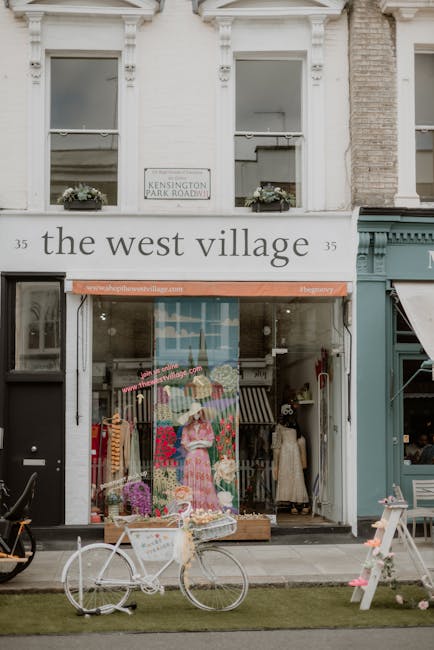
Kensington High Street shop cleaning for local retailers
Running a shop on Kensington High Street means every detail is on display. The windows, the floor, the fitting rooms, the counters, even the faint smell when a customer opens the door. In a place where shoppers expect polish, Kensington High Street shop cleaning for local retailers is not just a background task; it is part of the customer experience and, frankly, part of the brand.
Whether you manage a boutique, a gift shop, a premium convenience store, a gallery-style retail space, or a small showroom, the cleaning standard you keep can affect first impressions, staff comfort, and the pace of daily operations. This guide breaks down what local retailers actually need, how the process works, what to prioritise, and how to avoid the small mistakes that quietly make a shop look tired.
Along the way, you will find practical guidance, a useful checklist, a comparison table, and a few local context points that matter on a busy London high street. If you also handle adjoining premises or mixed-use space, you may find it helpful to read about office cleaning in SW7 and our broader guide to Kensington's character, because the retail environment here has its own rhythm.
Table of Contents
- Why Kensington High Street shop cleaning for local retailers Matters
- How Kensington High Street shop cleaning for local retailers Works
- Key Benefits and Practical Advantages
- Who This Is For and When It Makes Sense
- Step-by-Step Guidance
- Expert Tips for Better Results
- Common Mistakes to Avoid
- Tools, Resources and Recommendations
- Law, Compliance, Standards, or Best Practice
- Options, Methods, or Comparison Table
- Case Study or Real-World Example
- Practical Checklist
- Conclusion
- Frequently Asked Questions
Why Kensington High Street shop cleaning for local retailers Matters
Kensington High Street is not the sort of place where dust can hide for long. Footfall, weather, delivery traffic, coffee spills, fingerprints on glass, and the everyday churn of retail life all show up quickly. A shop can look immaculate at 9:00 a.m. and somehow feel dull by lunchtime if the basics are not being handled properly.
For local retailers, cleaning is tied to presentation, safety, and trust. Customers notice when floors are streaky, shelves are dusty, or the entrance mat looks grimy. They notice when the air feels stale too. You may not hear a complaint, but you can feel the difference in how people browse. They linger longer in spaces that feel cared for.
There is another side to it as well. Staff work better in clean, organised surroundings. Stock is easier to manage, breakages are less likely, and the shop runs with fewer awkward interruptions. That matters whether you are trading all day, opening for a short premium window, or adapting around local event traffic and seasonal peaks.
A clean shop does not just look better. It tends to sell better, feel calmer, and age more gracefully over time. Bit obvious maybe, but true.
For retailers looking to improve the wider property presentation around their premises, it can also help to understand the local area profile through pieces like is Kensington the ideal neighbourhood? and a look at Kensington's upscale appeal. The customer base here often expects a more polished environment than average. Not in a fussy way, just in a "this place should feel considered" way.
How Kensington High Street shop cleaning for local retailers Works
Good retail cleaning is more than a quick vacuum and a wipe-down. In practice, it is a routine built around the way your shop actually operates. A proper plan usually starts with the layout: front-of-house, stock area, staff area, toilets if present, window displays, entrance points, and any high-touch surfaces.
The next step is frequency. Some tasks need daily attention, like floors, bins, glass at eye level, and touch points. Others are weekly or monthly, such as deeper floor care, shelf detailing, skirting boards, or less visible storage areas. The right balance depends on traffic, products, and opening hours.
Most local retail cleaning arrangements use a mix of daytime top-up cleaning and out-of-hours deep cleaning. That keeps the shop presentable without interrupting trade. For example, a boutique may need a fast pre-opening refresh, while a busy fashion store might need regular touch-point cleaning during quieter periods to keep fitting rooms and mirrors looking sharp.
There is also the question of specialist surfaces. Retail spaces often include polished metal, glass shelving, display plinths, natural stone, carpeted areas, or upholstered seating. Each material needs the correct product and method. Use the wrong one and you can end up with smears, dullness, or wear that creeps in quietly over time. No one wants that.
If your retail fit-out includes soft flooring or seated customer areas, it may make sense to pair shop cleaning with professional carpet cleaning in South Kensington or upholstery cleaning for commercial interiors. That is especially useful where customers linger, try products, or sit for consultations.
Key Benefits and Practical Advantages
The benefits of consistent shop cleaning are both obvious and slightly less obvious. The obvious ones are presentation and hygiene. The less obvious ones are the ones that often make the biggest difference in daily retail life.
- Better first impressions: A clean entrance, clear glass, and fresh floors make the shop feel inviting within seconds.
- Improved customer comfort: People browse more calmly when the space feels orderly and well kept.
- Staff morale: Teams usually work better in a clean environment. There is less friction, fewer distractions, and less "who left this here?" energy.
- Protection for fixtures and finishes: Regular maintenance can reduce build-up on floors, shelves, and touch points, helping surfaces last longer.
- Better stock presentation: Dust, smudges, and clutter can make even beautiful products look less premium.
- Cleaner customer journey: From door handle to till point, cleanliness shapes the way people move through the shop.
To be fair, customers do not usually walk in and say, "What a beautifully executed cleaning regime." But they absolutely register the feeling. They notice if the shop smells stale after rain, if the floor near the door looks muddy by afternoon, or if the changing area feels a bit neglected. That stuff adds up.
Retailers near busy event spaces or premium residential streets often feel this more strongly, especially during weekends and seasonal peaks. If your location serves visiting shoppers as well as locals, you may find the local event and footfall patterns discussed in this Kensington venues guide surprisingly relevant. Crowd flow affects dirt, wear, and timing.
Who This Is For and When It Makes Sense
This service makes sense for any retailer that wants a professional, dependable standard of cleanliness without relying entirely on ad hoc staff effort. It is especially useful if your shop has:
- high daily footfall
- prominent glass frontage
- high-touch counters or displays
- carpeted areas, rugs, or soft seating
- fitting rooms or consultation zones
- premium stock presentation requirements
- mixed-use space with back-of-house storage
It is also a practical choice if your business has irregular opening hours. Some retailers open early for appointments, stay late for private shopping, or adjust around local traffic and nearby activity. In that kind of environment, a predictable cleaning rhythm matters more than ever.
This is not only for big stores. In fact, smaller shops often benefit the most, because one untidy corner can affect the whole mood of the space. A compact boutique has nowhere to hide mess. One dusty plinth and the whole room feels it.
If your retail space is part of a wider property plan, it may also help to think about the building context. Articles such as how to buy property in Kensington and Kensington real estate investing insights can be useful if you manage premises long term and want to protect both presentation and asset value. Cleaning is maintenance, after all. Just the less glamorous kind.
Step-by-Step Guidance
Here is a practical way to approach shop cleaning without making it complicated. Keep it simple, repeatable, and tailored to the way your store actually functions.
- Walk the space as a customer would. Start at the entrance and notice what stands out first. Glass marks? Mud by the threshold? Dust on display edges? That first walkthrough usually tells you a lot.
- Separate daily tasks from deep-clean tasks. Daily tasks might include floors, bins, touch points, loos, mirrors, and counters. Deep-clean tasks are less frequent and more detailed.
- List the sensitive surfaces. Stone, wood, chrome, fabric, acrylic, and retail lighting finishes often need different care.
- Set a sensible cleaning schedule around trading hours. A pre-opening tidy, a mid-day top-up, or an after-close clean can work better than trying to do everything at once.
- Document priorities. If you have multiple staff or cleaners, a short checklist helps keep standards consistent.
- Review the result regularly. You do not need a grand audit every week. Just ask: does the shop still feel clean at peak times?
A real-world example: a retailer on a busy London high street may find that the entrance mat is fine in the morning but starts to look tired after lunch, especially in wet weather. The fix is not necessarily a bigger clean. It may simply be a better mat maintenance routine and a second sweep around the doorway. Small adjustment, big difference.
If your premises includes carpeted sections or waiting areas, a more detailed service plan may also include periodic carpet cleaning and commercial upholstery care. That helps the whole store feel fresh rather than merely tidy.
Expert Tips for Better Results
Over time, the best retail cleaning routines are the ones that prevent problems rather than chase them. That is the real trick.
- Clean the high-visibility zones first. Windows, door handles, checkout counters, mirrors, and display edges shape perception quickly.
- Work top to bottom. Dust falls. Always has, always will.
- Use microfibre properly. It is excellent for dust and smudges, but only if cloths are kept clean and used on the right surfaces.
- Rotate attention to neglected corners. Stock rooms, skirting boards, the base of display units, and behind fixtures are easy to ignore.
- Match cleaning to trading patterns. A Saturday-ready clean is not always the same as a weekday maintenance clean.
- Protect the scent of the space. Fresh air matters. Strong cleaning products used badly can make a shop feel clinical rather than welcoming.
One slightly old-school but useful habit: stand at the entrance just after opening and again mid-afternoon. Ask yourself, if I were a customer, would this still feel fresh? That quick check catches far more than people expect. It's oddly effective.
Where a shop shares space with offices or back-of-house work areas, a combined approach can save time and keep standards even. For that, office cleaning services in South Kensington can be a natural fit alongside retail maintenance.
Common Mistakes to Avoid
Most retail cleaning problems are not dramatic. They are small, repeated oversights. The frustrating part is that these are easy to miss until the shop starts looking older than it should.
- Only cleaning what customers can see. Back-of-house neglect eventually leaks into the front of house through smell, clutter, and stock handling.
- Using the wrong products on delicate finishes. A shiny surface can go dull surprisingly fast.
- Ignoring entry points. Doorway dirt travels fast. Shoes, rainwater, and debris do their thing every day.
- Waiting too long between deep cleans. By the time dirt is obvious, it is usually more work to remove.
- Relying on inconsistent staff routines. Good intentions are not a system.
- Forgetting windows and reflections. A spotless floor does not rescue a grubby glass frontage, sadly.
One common retail mistake is assuming a shop looks clean because it was cleaned recently. Not quite the same thing. A place can be technically clean and still feel a bit tired if touch points, scent, glass, and floor presentation are not working together.
Another is over-cleaning visible surfaces while leaving the less obvious ones alone. That creates a patchy result. The customer may not name it, but they feel it. They always do.
Tools, Resources and Recommendations
You do not need a mountain of equipment to maintain a high standard, but the right tools make life easier. Retail spaces benefit from practical, reliable kit rather than clever gadgets that look great and then sit in a cupboard.
| Area | Best approach | Why it helps |
|---|---|---|
| Floors | Daily sweep, vacuum, or mop based on surface type | Controls visible dirt and reduces grit wear |
| Glass and mirrors | Streak-free glass cleaner and lint-free cloths | Protects display quality and first impressions |
| Counters and touch points | Gentle disinfecting routine suitable for the surface | Supports hygiene and a cared-for feel |
| Carpeted areas | Vacuuming plus periodic specialist cleaning | Helps with dust, allergens, and traffic wear |
| Upholstered seating | Fabric-appropriate spot treatment and deep cleaning | Prevents dingy buildup and odour retention |
| Stock room | Simple shelving wipe-down and clutter control | Improves workflow and reduces hidden mess |
Useful internal references for related needs include end of tenancy cleaning in South Kensington if your retail unit changes hands or is being handed back, and domestic cleaning services if you also manage staff accommodation or a live-work setup. Different settings, different expectations, same principle: keep the routine realistic.
If you are refreshing older premises, do not overlook the fit-out itself. Sometimes a cleaner look is not about adding more effort; it is about resetting the room after accumulated scuffs, stains, and little marks that no one notices individually. Then one day you do. Slightly annoying, but fixable.
Law, Compliance, Standards, or Best Practice
Retail cleaning in the UK usually sits within broader workplace health, safety, and hygiene expectations rather than one single dramatic rule. The safest approach is to keep your cleaning practices sensible, documented where needed, and appropriate for the materials and environment in your shop.
At a practical level, that means using products safely, storing them properly, and making sure staff know what to do if a spill or slip risk appears. It also means thinking about cleaning schedules in relation to opening hours, customer traffic, and any vulnerable or restricted areas.
If your shop serves food or handles products with hygiene sensitivities, standards need to be even tighter. Even in non-food retail, it is wise to maintain a clear routine for bins, wash areas, shared touch points, and any cleaning chemicals kept on site. Common sense really does carry a lot of weight here.
For best practice, keep the following in mind:
- use suitable products for the surface
- label and store chemicals carefully
- avoid slip hazards during and after cleaning
- train staff on basic spill response
- keep an eye on ventilation, especially after product use
- review the cleaning plan when the shop layout changes
It is also sensible to align your cleaning routine with the overall character of the area. Kensington is a polished, detail-conscious part of London, and that local expectation matters. If you are shaping a customer-facing space, a helpful broader context can be found in this overview of Kensington's luxury appeal. It explains, in plain terms, why the standard feels higher here.
Options, Methods, or Comparison Table
There are a few common ways retailers manage cleaning. The best fit depends on budget, opening hours, staff capacity, and how polished the space needs to feel day to day.
| Method | Best for | Strengths | Limitations |
|---|---|---|---|
| In-house cleaning by staff | Very small shops or light-touch needs | Flexible, immediate, low setup | Standards can vary and tasks may get skipped |
| Scheduled external cleaning | Most local retailers on a consistent rota | Reliable, professional, repeatable | Needs clear scope and communication |
| Hybrid model | Busy stores needing daily upkeep plus deeper support | Balanced, adaptable, cost-aware | Requires a tidy division of responsibilities |
| Deep clean only | Occasional resets, refurbishments, or changeovers | Good for bringing a space back to standard | Not enough for day-to-day retail presentation |
For most Kensington High Street retailers, the hybrid model is often the most practical. Staff handle the everyday visible resets, while a more structured service manages deeper tasks and specialist cleaning. It is tidy, sensible, and does not depend on one person remembering everything after a long day on the shop floor.
Case Study or Real-World Example
Here is a realistic scenario. Imagine a small lifestyle boutique near Kensington High Street with a glass frontage, light carpet in the consultation area, and a changing room at the back. In the morning, the shop looks fine. By 2:00 p.m., the doorway mat is carrying in street dust, mirrors show fingerprints, and the seating area has lost its crisp feel.
The retailer does not need a massive overhaul. They need a better routine.
A practical plan might look like this:
- pre-opening glass and floor touch-up
- midday wipe-down of handles, counters, and mirrors
- daily bin emptying and back-room tidying
- weekly detail clean of skirting, display edges, and fittings
- periodic carpet and upholstery refresh
Once that rhythm is in place, the shop feels more composed all day. Nothing flashy. Just calmer, cleaner, more confident. And in a premium retail environment, that confidence is worth a lot.
This is the sort of result many local businesses look for when they combine day-to-day cleaning with occasional specialist support such as house-style deep cleaning standards for private workspaces or property planning insights for long-term premises. Different pages, same underlying idea: keep the place working for the people in it.
Practical Checklist
Use this checklist to keep your shop cleaning plan grounded and realistic. It is short on purpose.
- Entrance cleaned and inspected before opening
- Glass, mirrors, and high-touch points wiped regularly
- Floors maintained according to traffic and surface type
- Bins emptied before they become noticeable
- Changing rooms or customer areas checked during the day
- Stock room kept clear of dust and unnecessary clutter
- Specialist fabrics or carpets cleaned on a planned schedule
- Cleaning products matched to the right surfaces
- Spill response steps understood by staff
- Cleaning routine reviewed when seasons or footfall change
Quick takeaway: if your cleaning routine is easy to follow, it is far more likely to happen consistently. That consistency is what keeps the space looking expensive, even when the day gets messy.
Conclusion
Kensington High Street shop cleaning for local retailers is about more than appearance. It supports customer confidence, protects fixtures, helps staff work well, and keeps your retail space aligned with the standards people expect in this part of London. Small things matter here. A clean doorway, polished glass, and tidy display edges can change how a shop feels almost instantly.
The best approach is usually not the most complicated one. It is the one that fits your trading pattern, respects your surfaces, and keeps the shop looking fresh at the moments that matter most. That might mean daily upkeep, scheduled deep cleans, or a mix of the two. Most retailers need a bit of both, truth be told.
If you are ready to improve your shop's presentation, reduce cleaning stress, and keep standards consistent through the week, now is a very good time to get started.
Get a free quote today and see how much you can save.
And if you are still shaping your Kensington presence, the broader local stories on Kensington's district character can give you a nice sense of the area you are trading in. It helps, sometimes, to see the shop as part of a bigger picture. That's where the real difference often begins.
Frequently Asked Questions
What does Kensington High Street shop cleaning for local retailers usually include?
It usually includes floors, windows, counters, touch points, bins, mirrors, fitting rooms, and back-of-house areas. Some shops also need carpet, upholstery, or stock-room attention. The exact scope depends on your layout and trading pattern.
How often should a retail shop on Kensington High Street be cleaned?
Most shops need daily visible cleaning and regular deeper maintenance. High-footfall sites may need more frequent touch-ups during the day, especially around entrances, mirrors, and customer-facing surfaces. The right schedule depends on traffic, opening hours, and product type.
Is professional shop cleaning worth it for a small local retailer?
Usually, yes. Smaller shops often benefit because every mark is more visible in a compact space. A professional routine can help maintain a better customer experience and reduce the pressure on staff to do everything themselves.
What is the difference between shop cleaning and office cleaning?
Office cleaning focuses more on desks, shared workspaces, meeting areas, and staff facilities. Shop cleaning is more customer-facing and usually places greater emphasis on windows, displays, floors, and presentation. There is overlap, but the priorities are different.
Can shop cleaning be done without disrupting trade?
Yes, often it can. Many retailers use early-morning, late-evening, or low-traffic cleaning windows. A good plan will be built around your trading hours so the space stays presentable without getting in the way of customers.
What areas are most important in a Kensington retail space?
Entrance points, glass frontage, floors, counters, mirrors, and customer touch points matter most. These are the areas people notice first, and they shape the overall impression very quickly.
Do carpeted retail areas need special cleaning?
They usually do. Carpets trap dirt, show traffic patterns, and can hold odours over time. Regular vacuuming helps, but periodic specialist cleaning is often needed to keep them looking fresh and professional.
How can I keep a shop looking clean between professional visits?
Use a simple in-house routine: quick floor checks, wipe touch points, tidy displays, empty bins, and spot-clean visible marks. Small daily habits go a long way. Honestly, that is where most of the magic is.
Are there compliance issues I should think about?
Yes, mainly around safe product use, spill control, ventilation, and general workplace hygiene. You do not need to overcomplicate it, but you do need a sensible plan and staff who know the basics.
How do I know if my current cleaning routine is not enough?
If the shop looks tired by mid-afternoon, if customers comment on smell or mess, or if staff are constantly re-cleaning the same areas, the routine probably needs adjustment. A cleaner should support trade, not just patch over problems.
What should I ask before booking a cleaning service?
Ask what is included, how often the service can run, whether specialist surfaces are covered, how issues are reported, and how cleaning is scheduled around opening hours. A clear scope saves awkwardness later. It really does.
Can retail cleaning help protect my fixtures and finishes?
Yes. Regular cleaning reduces build-up on surfaces, which can help prevent premature wear, dullness, and grime staining. It is maintenance as much as presentation.