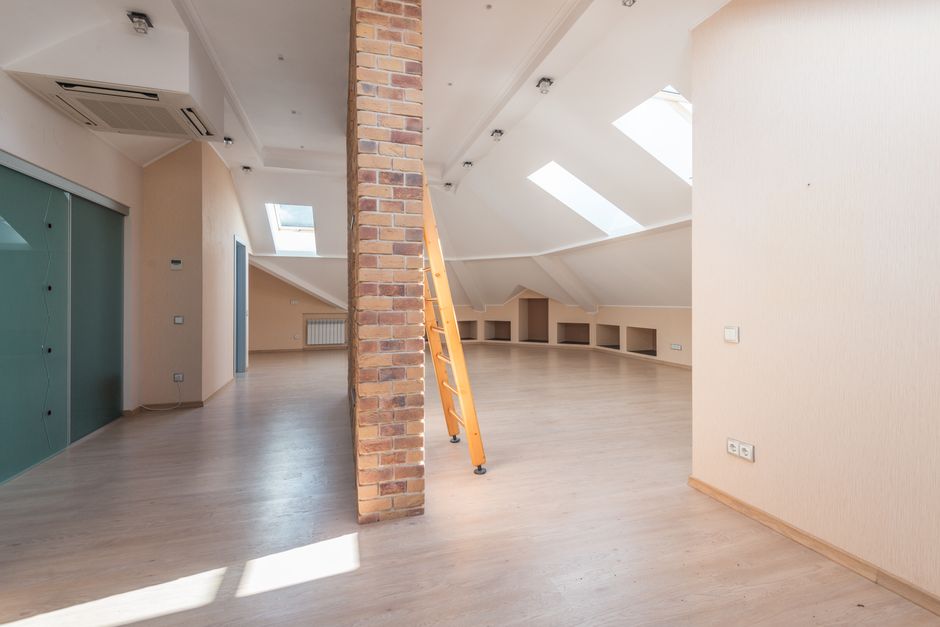
Common problems for loft access during Kensington cleaning visits
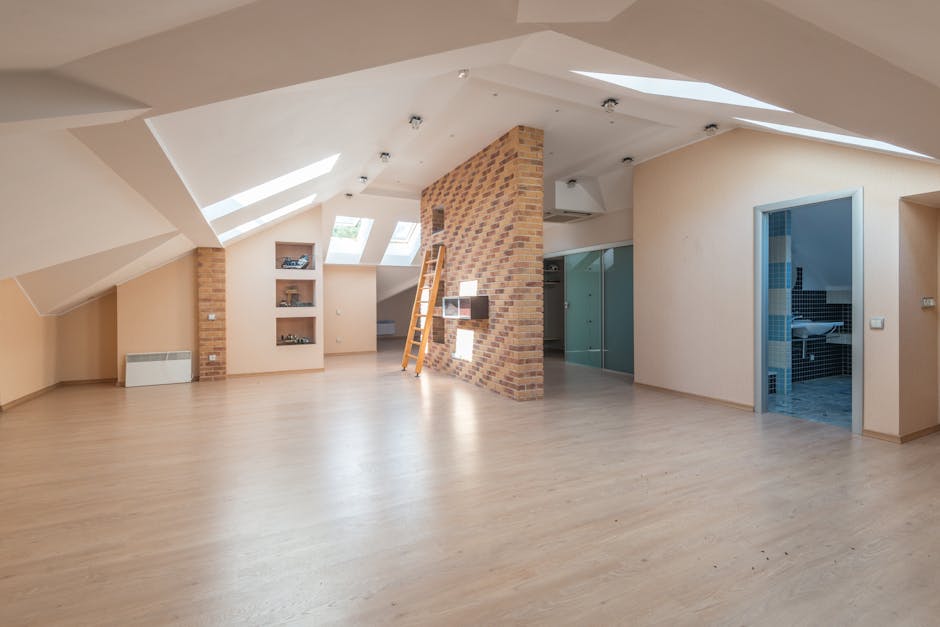
If you have ever booked a cleaning visit and then realised the loft hatch is awkward, dusty, half-blocked, or simply a bit of a faff, you are not alone. Common problems for loft access during Kensington cleaning visits tend to show up at the worst possible moment: the cleaner arrives, the room is ready, and then access turns into the main obstacle. In Kensington homes, where properties can be period conversions, maisonettes, flats with compact halls, or stylish but tight top-floor spaces, loft access issues are often more about the building than the service itself.
This guide breaks down what usually goes wrong, why it matters, and how to handle it without drama. You will get a practical view of safety, preparation, communication, and the small details that save time. If you are comparing cleaning options, it may also help to look at health and safety expectations, insurance and safety guidance, and pricing and quotes before the visit. Straightforward stuff, but it makes a difference.
Truth be told, most loft-access problems are not dramatic. They are practical. A stuck hatch. A missing ladder. A cramped landing. A fragile ceiling. Yet when you are trying to complete a thorough clean, those little barriers can slow everything down or stop the job entirely.
Why Common problems for loft access during Kensington cleaning visits Matters
Loft access affects more than convenience. It affects whether the cleaner can safely reach the area, whether equipment can be moved without damaging walls or bannisters, and whether the visit stays on schedule. In a place like Kensington, where buildings often have character and a few quirks, the loft may sit behind a narrow hatch in a hallway that was never designed for modern cleaning gear. Nice for the eye, less lovely for practical access.
When access is poor, cleaners may need to spend extra time setting up, protecting the area, or working around limitations. That can reduce efficiency. It can also create avoidable risk, such as trips on steep stairs, contact with insulation dust, or accidental scuffing around a hatch. And if the loft is being used for storage, the problem is often not the hatch itself but the stuff around it: stacked boxes, seasonal items, broken lighting, or that one mysterious bag nobody wants to open.
Expert summary: the best loft-access outcomes usually come from early communication, a quick access check, and realistic expectations about what can be reached safely on the day.
It matters because cleaning is at its best when everyone knows the route in, the route out, and what the space can reasonably handle. That sounds simple. It is simple, really. But simple is not always obvious in a busy household.
Table of Contents
- Why Common problems for loft access during Kensington cleaning visits Matters
- How Common problems for loft access during Kensington cleaning visits Works
- Key Benefits and Practical Advantages
- Who This Is For and When It Makes Sense
- Step-by-Step Guidance
- Expert Tips for Better Results
- Common Mistakes to Avoid
- Tools, Resources and Recommendations
- Law, Compliance, Standards, and Best Practice
- Options, Methods, and Comparison Table
- Case Study or Real-World Example
- Practical Checklist
- Conclusion
- Frequently Asked Questions
How Common problems for loft access during Kensington cleaning visits Works
Most cleaning visits follow a fairly ordinary pattern: arrival, access check, preparation, cleaning, and wrap-up. Loft access becomes part of that flow when the job involves reaching stored items, cleaning around the hatch, dusting above-ceiling areas, or moving through a top-floor layout where loft entry sits in the middle of the work area.
The process usually breaks down into a few practical questions:
- Can the hatch be opened safely and fully?
- Is there enough space to stand, set down equipment, or use a ladder?
- Is the ladder or step access already available and in good condition?
- Is the loft floor safe to walk on, or only safe for limited access?
- Are there stored items that need to be moved before the cleaning can start?
Sometimes the access issue is physical. Sometimes it is organisational. A cleaner may arrive ready for a routine visit, only to find that the loft has become a storage zone for Christmas decorations, old paperwork, and the spare iron nobody can quite throw away. You know the scene. That is normal enough, but it needs planning.
For a cleaner working in a Kensington property, a key question is whether the loft is part of the cleaning task or just part of the route to the task. That distinction matters. A loft used only for storage needs a different approach from a loft that must be entered for maintenance, deep-cleaning preparation, or specialist access to a room below.
Key Benefits and Practical Advantages
Sorting loft access before a cleaning visit pays off in very real ways. First, it reduces wasted time. Second, it lowers the chance of damage. Third, it helps the job feel calm rather than rushed. No one wants a service visit that turns into a mini moving day.
Here are the main advantages:
- Faster start times: the cleaner can get on with the actual work instead of clearing a path.
- Better safety: good access reduces the chance of slips, falls, or awkward lifting.
- Cleaner results: when the route is clear, the team can work methodically and reach the right areas.
- Less disruption: the household can stay more relaxed if preparation happens beforehand.
- More accurate quotes: if access is discussed early, pricing expectations are usually clearer.
There is also a confidence benefit. When the cleaner knows the loft hatch is accessible and the route is safe, they can focus on the service itself. That matters especially in homes where the layout is a bit tight or the access point is tucked away behind a door that only opens halfway because of furniture. Very British, that.
If the visit relates to broader cleaning work, it may be useful to review relevant service pages such as carpet cleaning, upholstery cleaning, or steam carpet cleaning so you can match the service to the actual room layout and access needs.
Who This Is For and When It Makes Sense
This topic is relevant for homeowners, tenants, landlords, letting agents, and property managers. It is especially useful if your property has a loft hatch in a hallway, landing, spare room, or bathroom, and the loft is not used every day. In Kensington, that can mean everything from elegant terraces to compact converted flats with older access points that feel slightly improvised.
It also matters if you are arranging any cleaning visit where the team may need to move through the loft area, reach stored items, or work around above-ceiling access. Families with seasonal storage, people preparing for a move, and landlords dealing with end-of-tenancy cleaning all tend to run into the same issue: lofts fill up fast and access gets worse over time.
When does it make sense to plan ahead? Usually when any of these apply:
- The hatch is stiff, heavy, or positioned awkwardly.
- There is no loft ladder, or the ladder is old and unstable.
- The loft contains bulky storage that blocks entry.
- The landing is narrow and makes ladder setup difficult.
- The property has low ceilings, sloped roofs, or fragile fixtures nearby.
And if you are unsure what the cleaner needs, ask before the appointment. A short call or message can prevent a long, slightly awkward morning. It really can.
Step-by-Step Guidance
If you want a smooth visit, the best approach is methodical rather than heroic. Here is a practical way to prepare.
- Identify the loft access point. Find the hatch, check where it opens, and note any nearby furniture or light fittings.
- Clear the immediate area. Move anything that blocks the ladder space, hatch swing, or standing room.
- Inspect the ladder or access aid. If a ladder is used, make sure it is stable and suitable for the space. If it is damaged, stop there.
- Check the lighting. A dim landing or loft entry point makes every movement harder. Bring in temporary lighting if needed.
- Remove loose or fragile items. Boxes, tools, ornaments, and clutter around the hatch should be shifted out of the way.
- Confirm what needs cleaning. Is the loft itself part of the job, or is it simply affecting access to another area?
- Tell the cleaner about any risks. Mention weak floorboards, insulation concerns, or awkward entry angles before work begins.
- Keep children and pets away. A loft hatch with a ladder is not the place for curious feet or paws.
A small example: a top-floor flat with a hallway hatch may look fine on the surface, but the ladder cannot open fully because a hallway cabinet is in the way. Move the cabinet two feet, and suddenly the whole appointment becomes easier. That is the kind of tiny fix that saves a lot of awkwardness.
Quick pre-visit questions to ask yourself
- Can I open the hatch without forcing it?
- Is there a safe standing zone below it?
- Do I know where the ladder is, and is it usable?
- Is the loft too hot, dusty, or cluttered for quick access?
- Have I told the cleaner anything unusual about the space?
Expert Tips for Better Results
In our experience, the best loft-access visits are the ones where nobody has to guess. Cleaners do not enjoy improvising in cramped hallways, and customers do not enjoy watching a job slow down because the ladder is wedged behind a coat stand. Fair enough.
Use these practical tips:
- Measure the space early. A rough sense of hatch height, landing width, and ladder clearance is enough to avoid surprises.
- Keep a permanent clear zone. If possible, do not use the area directly under the hatch for storage.
- Label stored boxes. This saves time if access requires moving items in a hurry.
- Check for dust and insulation. Older lofts can release fine dust when disturbed, so gentle handling matters.
- Use two-person handling for awkward items. One person on a narrow stair with a heavy box is how people end up muttering under their breath.
- Book enough time. If access is tricky, let the visit run a little longer rather than rushing it.
A useful rule of thumb: if access feels awkward for you at home, it will probably feel awkward for the cleaner too. That is not criticism, just reality. Better to acknowledge it and plan.
For homes with soft furnishings or delicate surfaces near the loft route, it can also help to review pages like sofa cleaning, rug cleaning, and curtain cleaning so you can think through what needs protecting before ladders, hoses, or equipment are brought in.
Common Mistakes to Avoid
Most loft-access problems are predictable, which is exactly why they are so frustrating. The same few mistakes crop up again and again.
- Leaving the area cluttered: even a small pile of boxes can block safe access.
- Assuming the cleaner has a ladder: not every visit includes every type of access equipment.
- Ignoring ceiling fragility: older homes may have hatch surrounds or ceilings that need gentler handling.
- Waiting until arrival to mention issues: last-minute surprises are never ideal.
- Forcing a stuck hatch: this can damage the frame, the latch, or the surrounding plaster.
- Overloading one person with access prep: if the task needs help, get help. Simple as that.
One slightly funny truth: the loft always feels smaller when someone is standing under it with a ladder and a vacuum hose. Funny, until the stair landing becomes a chessboard of boxes and nowhere to put your feet.
There is also the temptation to "just squeeze through." That approach can work for a moving box once. It is not a strategy. If access is tight, treat it as a real constraint, not an inconvenience to be bullied into submission.
Tools, Resources and Recommendations
You do not need a truckload of gear to solve most access issues. Usually, the basics are enough.
- Stable step ladder or loft ladder: only if it is suitable for the space and in sound condition.
- Work light or torch: handy for dim hallways and darker loft corners.
- Storage boxes: useful for shifting hatch-side clutter quickly.
- Dust sheet or protective covering: helps keep nearby flooring tidy during setup.
- Gloves: practical when moving dusty or rough items.
- Label tape or marker: simple but effective for organising what moves where.
In terms of recommendations, start with the cheapest fix first: clear the access route. It sounds too obvious, but it is often the best fix. If that is not enough, then look at ladder safety, hatch repair, or professional advice on whether the area should be entered at all.
If you want to understand how a cleaning company approaches reliability and customer care, the pages on about the company and terms and conditions can also help set expectations before you book.
Law, Compliance, Standards, and Best Practice
For loft access, the main concerns are safety, sensible handling, and clear responsibility. In UK domestic settings, there is no one-size-fits-all rule that magically solves awkward lofts. What matters is following ordinary good practice: use equipment properly, do not create unsafe working conditions, and avoid forcing access where the structure or layout makes it risky.
If a cleaner believes access is unsafe, they should be able to pause and explain why. That is normal. It is not a refusal to help; it is professional judgement. Likewise, a homeowner should not expect a team to climb into a loft through a hatch that is jammed, too narrow, poorly lit, or surrounded by unstable stored items.
Good practice usually includes:
- checking whether the ladder or access point is suitable before work starts;
- avoiding unnecessary strain when lifting or climbing;
- keeping the access area free from trip hazards;
- protecting surfaces that could be marked during setup;
- communicating about risks instead of guessing.
If you are arranging cleaning for a rented property or shared building, it is wise to make sure access arrangements fit the property rules and the landlord or managing agent's expectations. You do not need to overcomplicate it. Just be clear, calm, and realistic.
For related operational confidence, the company's health and safety policy and insurance and safety information are sensible places to review before any visit that may involve awkward access.
Options, Methods, and Comparison Table
There are usually a few ways to deal with loft access problems. The right choice depends on the layout, the condition of the hatch, and how urgent the cleaning visit is.
| Approach | Best for | Pros | Limitations |
|---|---|---|---|
| Clear the access route only | Minor clutter or tight hallways | Quick, cheap, usually enough | Does not fix structural hatch problems |
| Use existing ladder/access aid | Stable, well-kept loft entries | Efficient and familiar | Unsafe if the ladder is worn or unstable |
| Book extra setup time | Homes with awkward layouts | Reduces rush and stress | May extend the visit length |
| Postpone access-dependent work | Unsafe or blocked lofts | Avoids damage and accidents | Delays completion |
| Bring in specialist help | Damaged hatch, fragile ceiling, or complex storage | More controlled and safer | May require separate arrangements |
If the issue is simple, do the simple fix. If the issue is structural, do not pretend it is simple. That is where people sometimes make things harder than they need to be.
Case Study or Real-World Example
Picture a Kensington maisonette with the loft hatch on the top landing. The owners had booked a routine cleaning visit, expecting everything to go ahead as normal. On arrival, the landing was partly blocked by a rail of coats, two storage boxes, and a pushchair. The hatch itself was fine, but the ladder could not be opened properly. Nothing dramatic, just a bit cramped.
Instead of forcing the setup, the cleaner and homeowner took ten minutes to move the boxes, shift the pushchair, and create a clear standing area. They also checked the light switch, because the landing bulb had gone dim the night before. Once that was sorted, the work continued without any fuss. The whole problem was really about preparation, not the loft itself.
That is the useful lesson. Access issues rarely need a grand solution. They usually need one or two careful adjustments, plus honest communication. The job felt easier, the area stayed tidy, and nobody had to balance on a stair while muttering about "how these places are built."
Practical Checklist
Use this before the visit, and again on the morning if needed.
- Loft hatch identified and easy to open
- Landing or room under hatch cleared
- Ladder present, stable, and suitable
- Lighting available
- Stored items moved away from the access point
- Any fragile ceiling or hatch issues noted
- Cleaner informed about access constraints
- Pets and children kept away from the area
- Enough time allowed for setup
- Protective coverings used where needed
If even one of these feels off, pause and fix it first. A five-minute delay now is better than a messy half-hour later.
Conclusion
Common problems for loft access during Kensington cleaning visits usually come down to layout, clutter, lighting, and safety. None of those are impossible to manage, but they do need a bit of attention before the cleaner arrives. The best results come from a clear hatch, a safe route, and a straightforward conversation about what the space can and cannot handle.
That may sound almost too simple, yet in real homes, simple often wins. When access is planned properly, the cleaning visit feels calmer, quicker, and far less disruptive. And honestly, that is what most people want: a job done well, without the mini chaos.
Get a free quote today and see how much you can save.
For more background on the team and how bookings are handled, you can also review contact details, pricing and quotes, and the company's recycling and sustainability information. Small practical steps, but they help build a better visit from the start.
Frequently Asked Questions
What are the most common loft access problems during a cleaning visit?
The most common issues are a blocked hatch, a missing or unstable ladder, poor lighting, clutter around the access point, and tight stair or landing space. Sometimes the loft itself is fine, but the route to it is the problem.
Do cleaners usually bring their own loft access equipment?
Not always. Some visits assume the property already has suitable access in place. It is better to ask in advance than to assume a ladder will be provided. That little detail can save a lot of hassle.
Should I clear the area around the loft hatch before the visit?
Yes. If possible, move furniture, boxes, and anything fragile away from the hatch and the standing area below it. Even a small clear zone can make access much safer and faster.
What if the loft hatch is stuck or hard to open?
Do not force it. A stuck hatch can damage the frame or ceiling, and it may be a sign that the access point needs repair before anyone uses it. Tell the cleaner beforehand so they can plan accordingly.
Is loft access a safety issue for cleaners?
Yes, it can be. Narrow stairs, weak ladders, poor lighting, and clutter all increase risk. A professional cleaner should be able to assess the setup and stop if the access looks unsafe.
Can loft access problems affect the price of cleaning?
They can affect the time needed, which may influence the quote if extra setup or care is required. The fairest approach is to mention the issue early so the pricing can be discussed properly.
What should I tell the cleaning company before the visit?
Tell them where the hatch is, whether a ladder is available, if the area is cluttered, and whether there are any known hazards such as weak flooring, low lighting, or difficult stairs.
What if the loft is only being used for storage?
That is very common. In that case, the main concern is usually safe access rather than deep cleaning inside the loft. The storage items may still need moving if they block the hatch or ladder space.
Do older Kensington homes have more access problems?
Often, yes. Older properties can have narrow landings, steep stairs, awkward hatch placement, or older fixtures that make access less straightforward. It is not a deal-breaker, just something to plan for.
How can I make the visit smoother on the day?
Clear the route, check the light, confirm the ladder, and keep the access point free of clutter. If you want the short version: prepare the space before the cleaner arrives, not after. Much easier.
When should I delay a cleaning visit because of loft access?
If the hatch is broken, the ladder is unsafe, the route is blocked, or the area feels unstable, it is sensible to delay until the issue is fixed. Safety comes first, even if it is inconvenient for the moment.
Where can I learn more about the company's policies before booking?
You can review the company's complaints procedure, payment and security details, and privacy policy for extra reassurance before arranging a visit.